Making a decision about a training program after 50 is different than it was in your 30s. You need programming that preserves joint health, restores lost strength, and builds resilience without chasing unrealistic short-term results. At Mature Male Fitness Coach we help men over 50 identify what to look for in age-specific programs so they can invest confidently and avoid common pitfalls that waste time or create avoidable injuries.
This guide outlines the must-have features, how progression should be structured, the recovery support to expect, and practical questions to ask a coach before you commit. If you prefer to speak with an advisor about your situation, our team at Mature Male Fitness Coach can answer questions at 14707441483 - we'll help you match goals to a program that fits your body, schedule, and long-term health priorities.
As men age, physiological priorities shift: muscle mass and bone density decline without resistance training, recovery slows, and injury tolerance changes. A program designed for a 25-year-old often emphasizes maximal loading, high-volume conditioning, and rapid progression that may be counterproductive for older athletes. Age-specific programs recognize these differences and prioritize sustainable progress over quick fixes.
Beyond physiology, lifestyle factors-work, family, sleep disruptions, and chronic conditions-affect training capacity. The right program accounts for these variables and adapts to the reality of your life. Prioritizing joint-friendly exercises, balanced movement patterns, and measured progression reduces the likelihood of setbacks, keeps you consistent, and ultimately accelerates long-term gains.

A quality program starts with a comprehensive assessment: movement screening, strength and mobility tests, lifestyle review, and a discussion of medical history and medications. This information lets a coach tailor exercises, prescribe appropriate intensities, and flag any limitations that require modified progressions. Personalization reduces wasted sessions and lowers injury risk because the program fits you rather than forcing you to fit the program.
Progression should be measurable, gradual, and flexible. Ideal programs use a blend of planned periodization and autoregulation-structured phases that allow intensity and volume to scale based on how you feel and how you recover. Look for explicit rules for increasing load, volume limits per week, and built-in deloads; these features prevent overreaching and encourage steady, sustainable gains.
Recovery support is not optional for men over 50. Programs should include mobility routines, active recovery days, foam rolling or soft-tissue work, and guidance on sleep and nutrition. These elements speed repair processes, maintain joint range of motion, and reduce pain risk. Programs that ignore recovery often lead to short-lived improvements and higher injury rates.
Choose programs that prioritize fundamental movement patterns-squat, hinge, push, pull, carry, and rotational stability-executed in ways that protect the spine and joints. High-skill, high-impact exercises can be valuable, but only when technique is taught and appropriate regressions are available. If technique coaching is limited or non-existent, consider that a red flag.
Any program worth buying has built-in metrics and checkpoints. Whether through strength tests, performance markers, or subjective recovery scores, tracking verifies that the plan is working and informs sensible adjustments. Lack of monitoring often leads to plateaued progress and wasted subscription dollars.
Good programs offer clear lines of communication-regular check-ins, timely feedback on form, and transparent adjustments. Verify that coaches have experience with older adults and credentials that reflect real-world competence. A responsive coach turns a good program into a lasting solution by preventing minor issues from becoming injuries.
Progression models for older trainees balance stimulus and recovery. At Mature Male Fitness Coach we recommend programs that apply cyclical loading: a 3-6 week build phase followed by a short recovery or deload week, then reassessment. This approach maintains chronic training stress at a manageable level and reduces cumulative fatigue that leads to injury.
Autoregulation techniques-using rate of perceived exertion (RPE), readiness questionnaires, or heart rate variability (HRV) when available-allow intensity and volume to adapt to daily fluctuations. This is especially valuable for men juggling work deadlines, travel, or health concerns. Programs that lock you into rigid increases without autoregulation are less likely to be sustainable.
Recovery protocols should be explicit and practical. Programs must teach how to optimize sleep, manage inflammation through diet and activity choices, schedule deloads, and use modalities such as contrast baths or targeted soft-tissue work when helpful. Expect concrete recommendations rather than vague suggestions like rest more.
Injury prevention goes beyond warm-ups. The right program includes prehabilitation for common problem areas-shoulders, lower back, knees-and integrates unilateral work, balance drills, and eccentric strengthening where appropriate. It also outlines red-flag symptoms that require medical evaluation and gives a clear process for modifying or pausing training when necessary.
 Credentials matter, but experience with older adults matters more. Look for coaches with certifications in strength and conditioning, but also those who can show client outcomes with men over 50. Practical experience-rehabilitating past injuries, managing medication interactions, or delivering long-term strength plans-indicates the coach can translate theory into safe, effective practice.
Communication style is equally important. A coach should explain why an exercise is chosen, how progression will occur, and what to do when symptoms flare. Programs that provide on-demand video feedback, scheduled one-on-one check-ins, or clear messaging systems are better at keeping training both safe and effective. If you prefer occasional face-to-face sessions, verify availability and costs up front.
Programs vary in price and delivery model. Group or app-based memberships are typically more affordable, while individualized coaching or hybrid models cost more. Expect prices to range from $75-$200 for premium monthly packages, depending on the level of personalization and direct coaching. Price alone is not a proxy for quality; evaluate what is included-assessments, communication frequency, program updates, and recovery support.
When evaluating value, consider expected outcomes relative to your goals. A good program yields improved strength, better mobility, reduced pain, and enhanced daily function within 812 weeks, with cumulative improvements over months. Beware of guarantees that sound too good to be true-rapid transformations often ignore individual limitations and increase injury risk.
Certain signals indicate a program may not be appropriate for men over 50. Red flags include one-size-fits-all templates with no assessment, aggressive progression without autoregulation, lack of recovery guidance, and coaches who minimize medical history. Programs that push frequent high-impact work or ignore pain reports are likely to produce setbacks rather than sustainable results.
Useful questions to ask a prospective program or coach:
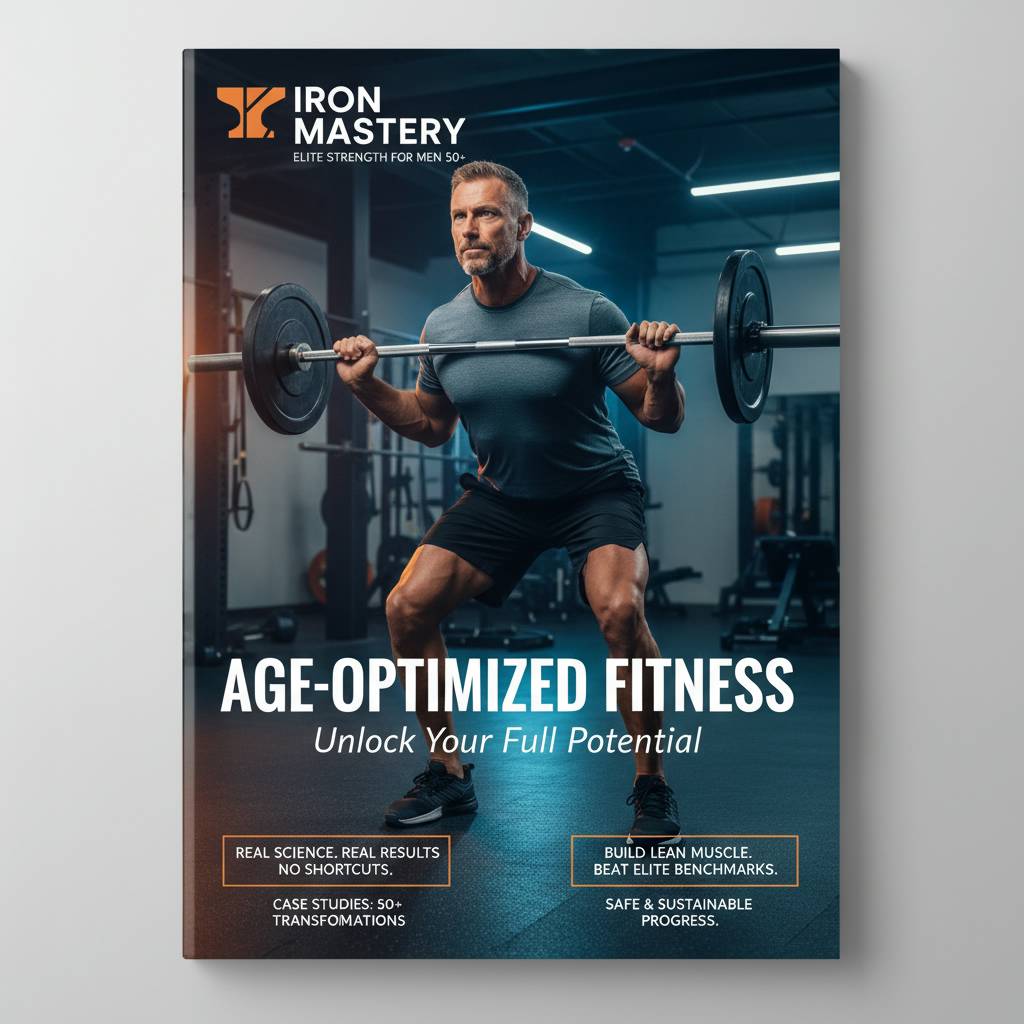 Case study 1: A 53-year-old with recurring low-back pain switched from a high-volume bootcamp to an age-specific program with a four-week mobility and core stability phase followed by a slow strength build. Within 10 weeks he reported less daily pain, improved squat depth, and better sleep. The controlled progression and targeted prehab prevented flare-ups that previously interrupted training.
Case study 2: A 60-year-old wanting to regain lost muscle chose a hybrid coaching model with monthly in-person sessions and weekly remote check-ins. The coach used autoregulation and tracked recovery metrics; after 16 weeks the client increased compound lift loads by 15% and reported higher energy. The hybrid structure balanced accountability and affordability.
Yes. With proper load management, progressive resistance training, adequate protein intake, and recovery, men over 50 can increase muscle mass and strength. Expect steady progress rather than rapid gains, and prioritize consistent training, sleep, and nutrition for best results.
For most men over 50, 34 structured strength sessions per week combined with light mobility and low-intensity aerobic activity on off-days strikes a good balance. Frequency should be adapted based on recovery, work demands, and current fitness. Programs that impose daily high-intensity sessions without recovery periods are rarely sustainable.
It's wise to consult your physician if you have significant chronic conditions, recent surgeries, or cardiovascular concerns. A responsible coach will request medical clearance when necessary and will work in coordination with healthcare providers to ensure safe programming.
When choosing a program, prioritize assessment, personalization, sensible progression, and robust recovery support. Look for coaches with documented experience working with older men and strong communication systems that keep you accountable and safe. Make sure the program offers clear checkpoints and a process for addressing pain or setbacks so you know you're investing in a plan that adapts to you.
If you want help evaluating specific programs or matching your goals to a coach, Mature Male Fitness Coach can guide you through the options. Our advisors understand the nuances of training men over 50 and can recommend programs that minimize risk while maximizing functional outcomes. Call us at 14707441483 to discuss your objectives and find a plan that fits your life.
Ready to make a confident choice? Reach out to Mature Male Fitness Coach for a no-pressure consultation and get clear recommendations tailored to your current fitness, medical history, and goals. Our team is available to answer questions and help you avoid common mistakes that cost time and cause injury.
Contact Mature Male Fitness Coach at 14707441483 to speak with an advisor and start evaluating the best age-specific programs for men over 50.
