Older adults do not need expensive gyms or constant one-on-one coaching to maintain strength, mobility, and independence. With intelligent program design, modest equipment, and prioritized recovery, you can save money on age-related strength training without losing results. Mature Male Fitness Coach has worked with clients to identify the highest-return investments and low-cost alternatives that preserve progression and reduce risk.
In this guide you will find actionable tactics to trim expenses while keeping progression and recovery intact. We describe what to buy, what to skip, and how to structure sessions so each minute and dollar delivers measurable gains. If you want tailored advice, our advisors are available at 14707441483 to discuss options that match your schedule, budget, and goals.
When saving money, clarity about priorities is essential. For age-related strength training the three highest priorities are consistent progressive overload, adequate recovery, and movement quality. These priorities inform every decision about where to spend and where to economize: invest in what forces adaptation and avoid spending on low-return conveniences. That approach allows you to reduce costs while continuing to improve strength and function.
Progressive overload can be achieved with a surprising variety of formats-bodyweight progressions, bands, free weights, or tempo manipulation-so the plan should choose the most cost-effective method that still produces measurable progression. Recovery investments should target sleep, nutrition basics, and simple mobility rather than fancy devices. Movement quality benefits most from good coaching input early on, then structured practice.
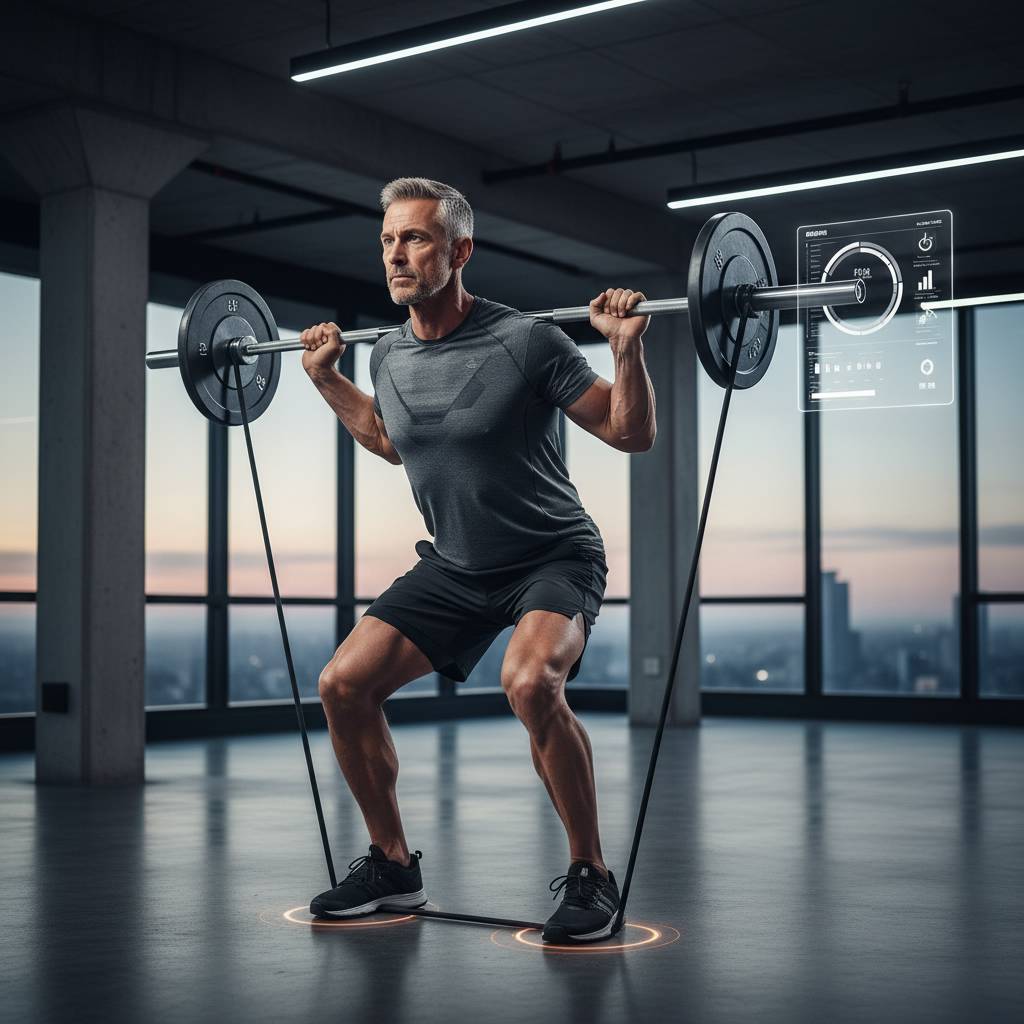 Small changes in approach produce large savings. First, reduce dependency on paid sessions by learning fundamentals during a short consultation or workshop and then following a structured program. One or two targeted coaching sessions to nail technique and programming structure often replace many routine sessions, letting you self-manage maintenance at low or no cost. This strategy saves money while protecting long-term progress.
Second, favor multipurpose, durable equipment over single-use gadgets. A set of adjustable dumbbells or a pair of medium- to heavy-resistance bands covers a wide range of exercises for many years. Renting or sharing higher-cost items with a friend or within a community center also reduces expenses without impacting results, because consistency and progression matter more than perfect tools.
Purchasing second-hand or waiting for seasonal sales often yields high-quality equipment for a fraction of retail cost. When considering a purchase, ask how many exercises a single item will enable; the broader its use, the better its value.
Program design is the lever that most influences outcomes. A budget-friendly program emphasizes compound movements, appropriate intensity, and simple progression rules. For older adults, prioritize multi-joint lifts (squat variations, hinge patterns, pressing, and rowing) and incorporate unilateral work, balance, and mobility to reduce injury risk. Structure workouts around twice to four times weekly sessions depending on recovery capacity.
Progressions can be measured in small, sustainable steps: add reps, add sets, reduce rest, slow the tempo, or increase resistance. These incremental changes are inexpensive yet potent. Use a simple tracking system-paper notebook or an app-to record load and reps so progression is objective. A consistent, measurable approach is what preserves results when you cut costs elsewhere.
Sessions can run 30-50 minutes and still be effective if intensity and progression are managed. For many older adults, consolidating strength work into two focused sessions with a light technical or mobility day between them is the most time- and cost-efficient path to continued gains.
Recovery is where many people overspend on gadgets but underspend on fundamentals. Prioritize sleep hygiene, consistent protein distribution across the day, hydration, and daily low-intensity movement to support circulation. These low-cost habits markedly improve recovery and support progression without needing expensive recovery tools. Good recovery reduces the need for therapeutic interventions that can be costly and time-consuming.
Injury prevention relies on targeted warm-ups, movement pattern reinforcement, and realistic load management. Use corrective and mobility drills that require no equipment-band-assisted shoulder mobility, hip hinge drills, and ankle mobility routines. If pain persists, a single consultation with a physical therapist or experienced coach can be a cost-effective investment to correct movement faults early and avoid long-term setbacks.
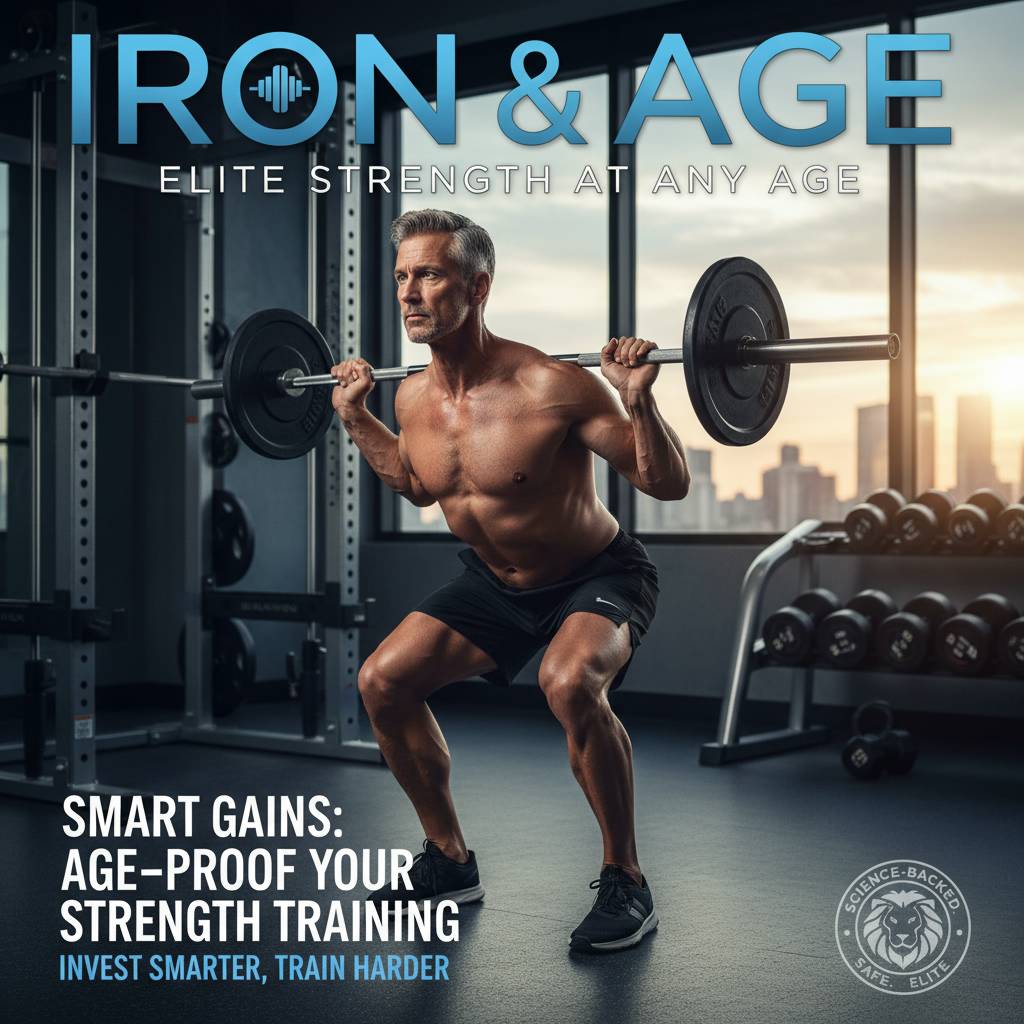 Understanding the return on each dollar helps allocate limited funds wisely. Invest in initial coaching to learn safe technique and in a clear, individualized program template. These early costs produce high returns because they reduce accident risk and ensure you're doing high-value work. After an initial investment, you can often maintain and progress with low-cost resources and self-guided sessions.
Save on nonessential items: boutique classes with minimal instruction, multiple single-use devices, and expensive memberships when a community center or home setup suffices. Consider local community facilities or small-group training options if supervision is desired but budget is limited. A practical price expectation for occasional professional sessions is often in the range of $50-$150 per session depending on location and provider; weigh that against longer-term benefits.
Use this checklist before purchasing recurring services or equipment. Often a single good decision early-like a technique session or a high-quality adjustable weight set-prevents ongoing, avoidable expenses.
Margaret, 68, had been paying for three weekly personal training sessions but found it financially unsustainable. She worked with a coach for two initial sessions to establish safe technique and a 12-week plan, then moved to two self-led sessions and one group clinic per month. Margaret kept a simple home kit (adjustable dumbbells and bands) and recorded every workout. Over six months she increased squat and row strength while reducing training costs by more than half.
This example highlights a practical trade-off: pay upfront for instruction that creates independence, then sustain progress with a low-cost maintenance plan. That combination preserves results and reduces monthly expense-a model that many older trainees can replicate.
Yes. With proper programming, progressive overload is possible using bodyweight, bands, and modest free weights. For many older adults, the limiting factor is not equipment but consistent, progressively challenging stimulus and adequate recovery. Prioritize those variables and results will follow.
Consult a professional when pain limits movement, when you've plateaued for months despite disciplined effort, or when you need a tailored plan for medical conditions. Early professional input can avoid costly setbacks and should be viewed as a strategic investment when it resolves persistent issues efficiently.
If you want to save money on age-related strength training without losing results, start by identifying one high-value investment: a technique session, a clear written program, or a modest equipment purchase. Build around that with consistent practice and prioritized recovery habits. Small, steady changes deliver compounding benefits over months and years.

Mature Male Fitness Coach offers concise consultations and program templates designed to maximize value for older adults. Whether you prefer a short coaching block, a peer group, or a self-guided plan with monthly check-ins, our advisors can outline cost-effective options and alternatives tailored to your budget. Contact us at 14707441483 to explore plans that fit your goals and finances.
Ready to get started? Book a brief consultation to identify the single smartest investment for your situation. We'll help you prioritize what to buy, what to skip, and how to structure your training so every session and dollar push you toward steady progress.
For personalized guidance and affordable program options, reach out to Mature Male Fitness Coach today at 14707441483. We look forward to helping you save money on age-related strength training without losing results.
