Starting or refining a fitness routine after 50 is about smart, sustainable choices more than raw intensity. This weekly workout plan for men over 50 is designed to balance three pillars: progressive strength, purposeful mobility, and deliberate recovery. Over time, that balance supports bone health, muscle retention, and daily function so you can stay active and independent. Mature Male Fitness Coach builds plans that reflect those priorities, and our staff can tailor the sample schedule below to accommodate your history, goals, and limitations.
Men over 50 face specific physiological changes-slower recovery, reduced muscle mass, and joint stiffness-that mean training must be thoughtful. Strength training preserves lean tissue and metabolic health, mobility work maintains joint range and movement quality, and recovery practices reduce injury risk while allowing adaptation. The interplay between these elements creates a weekly rhythm where hard sessions are offset by guided recovery rather than complete inactivity.
Rather than chasing extremes, this plan emphasizes consistency and gradual progression. You'll see sessions that vary intensity and focus throughout the week, enabling effective stimulus while protecting connective tissue and the nervous system. If you're unsure where to begin, Mature Male Fitness Coach coaches can assess your baseline, recommend exercise substitutions, and adjust volume so you make steady, measurable gains.
 This section explains how to apply the sample schedule to your life. Begin by identifying two baseline measures: a strength benchmark (for example, a comfortable number of bodyweight squats or a light dumbbell press) and a mobility check (such as overhead reach or a single-leg balance). Use those to select starting loads and modify exercises. If you have chronic conditions or recent surgeries, get medical clearance before starting and communicate specifics to a coach.
Progress is managed across three levers: load (how heavy), volume (sets and reps), and frequency (how often). Increase only one lever at a time-typically volume first, then load-while monitoring recovery indicators like sleep quality, soreness lasting more than 72 hours, and performance dips. Rest days are active rather than passive: short walks, mobility circuits, or gentle yoga help circulation and recovery without taxing the system.
This sample weekly workout plan for men over 50 spreads training across strength, mobility, and recovery. It assumes three focused strength sessions, two mobility sessions with light conditioning, and two recovery or active-rest days. Each strength day includes compound lifts and accessory work targeting balance and joint health. You can complete the plan in about 240300 minutes weekly, not counting warm-ups.
Strength work remains the cornerstone of long-term fitness for men over 50. Prioritize compound movements that load multiple joints-squats, deadlifts, presses, and rows-because they deliver the most functional benefit. Aim for controlled sets where the final repetition is challenging but doable with solid technique. For beginners, 23 sets per exercise is effective; intermediate trainees can use 34 sets with progressive overload every 24 weeks.
Sample exercises to include across weeks:
For general strength and longevity, use the following scheme as a baseline: 610 reps for main lifts to build strength and hypertrophy, 815 reps for accessory work to develop muscular endurance and joint resilience, and 23 minutes rest between heavy sets. Progress by adding 25% load or one extra rep per week for compound movements, or by increasing volume slightly when you can complete all sets without form breakdown. Listen to subjective fatigue; sometimes a deload week every 48 weeks is the smart choice.
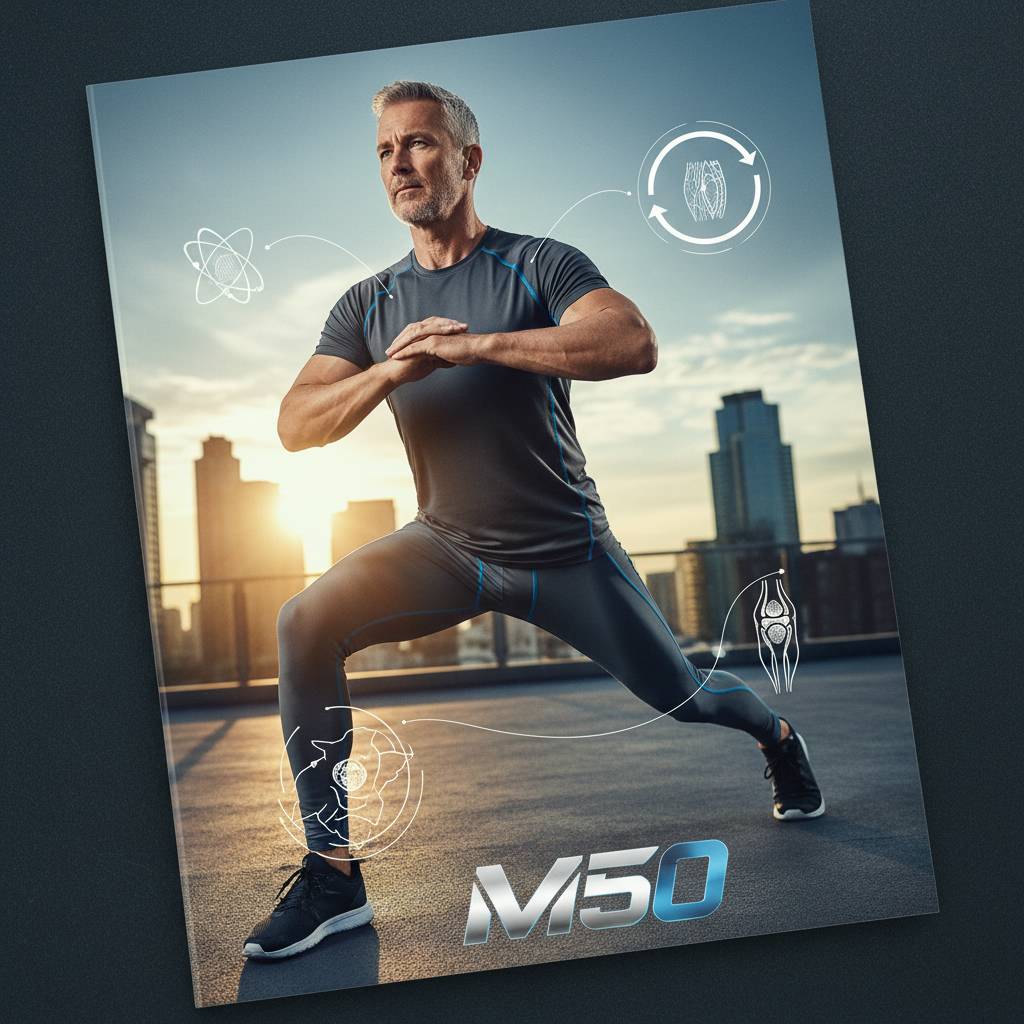 Mobility is not the same as stretching; it's about usable range of motion under control. Integrate targeted mobility sessions that address common limitations-hip extension, thoracic rotation, ankle dorsiflexion, and shoulder external rotation. Use soft tissue work like foam rolling and targeted breathing patterns to calm the nervous system and enhance tissue quality. These practices speed recovery, improve exercise technique, and reduce the likelihood of aches turning into injuries.
Recovery strategies beyond mobility include sleep optimization, hydration, and nutrition focused on adequate protein and anti-inflammatory foods. Prioritize 79 hours of quality sleep per night when possible, and aim for 0.71.0 grams of protein per pound of bodyweight per day as a general guideline for muscle preservation. Small lifestyle changes-regular walks, controlled alcohol intake, and consistent mealtimes-compound into meaningful recovery gains.
Arthritis, joint pain, and previous injuries are common and should be handled with appropriate modifications. For painful knees, reduce range on squats, favor box squats, or shift to hip-dominant lifts. For shoulder discomfort, substitute pressing variations with neutral-grip dumbbell presses and focus on rotator cuff strengthening. Pain that is sharp, progressively worsening, or associated with swelling should prompt medical review before continuing a structured program.
Here are simple modification principles:
Track progress using measurable and meaningful metrics: strength numbers on key lifts, consistent mobility tests (reach distance or balance time), body weight and composition if relevant, and subjective measures such as energy and sleep. Keep a simple training log to note loads, sets, and how you felt. Small, consistent improvements matter more than sudden leaps; if you're able to preserve or increase strength while reducing daily stiffness, you're succeeding.
Consider professional guidance when progress stalls, pain persists, or you want a faster, safer path to a specific goal-like completing a hiking trip or returning to sport. Our coaches, including MMFC on occasion, can perform movement screens, write individualized plans, and provide accountability. Coaching rates typically range from $75-$200 for small packages and vary by program length and personalization level.
Q: How long until I see changes?A: Many men notice improved energy, balance, and mood within 34 weeks; strength and body composition changes are often evident by 812 weeks with consistent effort. The key is steady progression and adequate recovery.

Q: How often should I train each muscle group?A: Aim for 2 sessions per week per major muscle group. Full-body or upper/lower splits work well. This frequency supports protein synthesis and strength gains without excessive volume for older athletes.
Case study:John, 56, had a sedentary desk job and mild knee arthrosis. We began with a two-week mobility and conditioning block, then introduced twice-weekly strength sessions emphasizing hip hinge and single-leg stability. Within three months John reported less knee pain on stairs, increased confidence walking hilly terrain, and a 15% increase in his goblet squat weight. The modifications-limited knee flexion, increased tempo control, and targeted hip mobility-made the program sustainable long term.
If you're ready to start or want help tailoring the weekly workout plan for men over 50 to your specific needs, Mature Male Fitness Coach is available to customize and coach you through every phase. A brief assessment helps us recommend starting loads, prioritize mobility targets, and set realistic milestones. Small, consistent changes yield the biggest long-term wins-let's build a plan that fits your life.
Contact Mature Male Fitness Coach today - call 14707441483 for a consultation and personalized adjustments.
For a no-pressure introduction you can request a baseline assessment, discuss package options, and learn how we adapt training for medical concerns. When you call 14707441483, mention your goals and any pertinent health issues so we can prepare the best initial recommendation. We look forward to helping you train smarter, move better, and enjoy long-term results.
