By the time many men reach their 50s, gradual muscle loss becomes a real and measurable issue. This process, sometimes called sarcopenia, reduces strength, mobility, and metabolic health, creating a cascade of risks that affect independence and quality of life. Recognizing the early signs of muscle loss after 50 lets you act before challenges become limiting or require more intensive interventions.
Beyond aesthetics, muscle tissue supports balance, bone health, and daily function. Even modest declines can make tasks like climbing stairs, carrying groceries, or playing with grandchildren unexpectedly difficult. Identifying these changes early allows targeted, efficient strategies that preserve strength and reduce the likelihood of falls, fractures, or chronic fatigue.
 Not every change means advanced disease, but several patterns are important to watch for. Look for slower recovery after activities that used to be easy, a subtle decrease in grip strength, or a persistent sense of fatigue with routine exertion. These are among the key signs of muscle loss after 50 that should prompt a structured self-assessment.
Other indicators include increasing reliance on momentum rather than muscle when standing up, a decrease in walking speed, and visible thinning of the limbs compared with the torso. Small but steady declines in performance on simple tests - like fewer push-ups, shorter timed-up-and-go, or reduced ability to carry weight - often reveal early sarcopenia well before it becomes clinically severe.
A simple, repeatable assessment routine helps separate normal variation from meaningful decline. Start with baseline tests you can repeat every 412 weeks: timed 30-second sit-to-stand, 30-meter walk time, grip strength measured with a dynamometer if available, and a brief balance test. Record outcomes along with notes about sleep, medications, and recent illnesses to spot trends rather than single-day fluctuations.
Interpreting these measures is straightforward when you focus on consistent change. A drop of more than [%10-15%] across multiple tests over three to six months or progressive loss of function (for example, fewer sit-to-stand repetitions or slower walking speed) is a signal to escalate. Use these objective markers to decide whether to start a conservative strength plan or seek medical evaluation for underlying causes.
Deciding whether to consult a clinician or begin a self-directed program depends on symptom severity and associated signs. See a healthcare professional promptly if you notice unexplained rapid muscle loss, unexpected weight changes, persistent pain that limits movement, new neurological symptoms (numbness, tingling, or weakness that is not symmetrical), or if you have comorbidities like advanced heart disease, uncontrolled diabetes, or cancer.
Conversely, men with gradual, modest declines and no red flags generally benefit from beginning a structured resistance program while arranging a routine medical screen. Primary care evaluation typically includes review of medications, lab tests for thyroid and inflammatory conditions, vitamin D and B12 levels, and an assessment for testosterone deficiency when clinically indicated. Use these results to inform a safe exercise prescription.
| Situation | Recommended action |
|---|---|
| Sudden or rapid muscle loss, severe weakness, neurological signs | Seek urgent medical evaluation |
| Gradual strength decline without pain or red flags | Begin a targeted strength plan and schedule routine evaluation |
| Multiple chronic conditions or recent major illness | Coordinate exercise with medical team before starting resistance training |
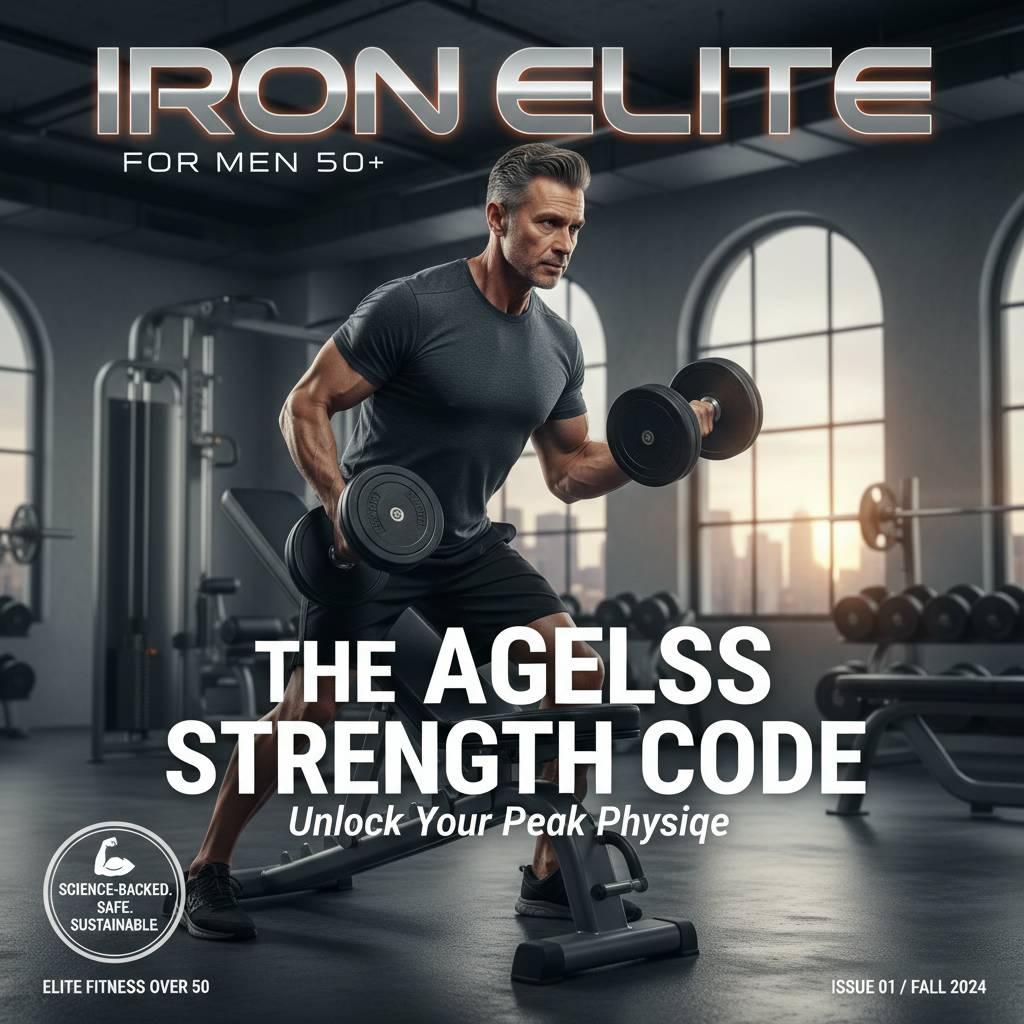 Designing a strength plan for men over 50 emphasizes consistency, progressive overload, and movement quality. Begin with two to three sessions per week focusing on compound movements that work large muscle groups: squats or sit-to-stands, deadlifts or hip-hinge patterns, push and pull exercises, and core stabilization. Prioritize form and controlled tempo - quality repetitions trump quantity, especially early on.
Progression should be measurable and conservative. Increase load or repetitions by about [%5-10%] when an exercise becomes manageable for two consecutive sessions. Incorporate rest days and active recovery, such as light walking or mobility work, to promote adaptation. If you are unsure about technique, a short consultation with a qualified trainer or physical therapist reduces injury risk and accelerates progress.
Start with exercises that require little equipment yet are highly effective: bodyweight squats or chair stands, bent-over rows with resistance bands, incline push-ups, and hip bridges. As strength and confidence increase, introduce dumbbells, kettlebells, or barbell patterns. Maintain a focus on safe breathing and spinal alignment to protect the lower back and neck during lifts.
Nutrition plays a central role in maintaining and rebuilding muscle. Adequate protein intake spread across meals supports muscle protein synthesis; aim for a per-meal target informed by body size and activity level. Creatine supplementation, when appropriate, has robust evidence for enhancing strength gains in older adults. Ensure sufficient vitamin D and address deficiencies identified during medical screening.
Recovery is equally essential. Sleep quality and stress management directly influence anabolic processes and hormonal balance. Prioritize 78 hours of sleep nightly when possible, and integrate simple stress-reduction tools such as breathing exercises or brief daily walks. Hydration, timing of protein intake after workouts, and periodic deload weeks also support steady progress and reduce injury risk.
Monitor more than the scale. Use functional outcomes and objective measures - sit-to-stand repetitions, walking speed, grip strength, and the load you can lift for core exercises - as primary indicators. Keep a concise training log that captures sets, reps, weight used, and subjective metrics such as perceived exertion and recovery. Over months, look for consistent upward trends in strength and daily energy.
If progress stalls for more than six to eight weeks despite consistent effort, re-assess training variables and lifestyle contributors: are you increasing intensity appropriately, eating enough protein and calories, and sleeping well? If those factors are optimized and gains remain limited, consult your medical provider to rule out endocrine issues, inflammatory conditions, or medication interactions that may blunt progress.
Case study: A 56-year-old man noticed slower recovery from yard work and difficulty carrying groceries. His initial self-assessment showed a drop in sit-to-stand repetitions over six months. He began a supervised two-day-per-week resistance program, increased protein intake, and corrected a vitamin D deficiency identified by his physician. Within three months he regained most of his functional capacity and reported greater confidence performing daily tasks.

Frequently asked questions address when to expect visible change, how to balance cardio and strength training, and whether hormone therapy is appropriate. Expect meaningful improvements in strength and function within 8-12 weeks of consistent training; noticeable changes in muscle mass may take longer. Cardio remains important for heart health, but prioritize strength training to reverse muscle loss.
If any of the signs of muscle loss after 50 resonate with you, take a measured next step: perform the assessment routine outlined earlier and record two weeks of baseline data. Use that information to decide whether to start a targeted strength plan or to schedule medical testing. Small actions now yield outsized benefits in long-term function and independence.
Mature Male Fitness Coach offers personalized assessment and practical plans tailored to the needs of men over 50. Whether you want a step-by-step strength program, nutrition guidance, or help coordinating medical evaluation, our team can support a safe, effective approach. To discuss options, call us at 14707441483 and we will help you choose the right path based on your goals and health history.
Take one concrete step today: perform the sit-to-stand and a timed walk, note the results, and contact Mature Male Fitness Coach for a focused conversation about next steps. If you prefer a quick introduction with a team member, mention MMFC when you call.
Protecting strength after 50 is a high-impact investment in long-term health. With a clear assessment, appropriate medical input when needed, and a consistent strength plan, most men can arrest or reverse early declines and regain confidence in daily life. Reach out to Mature Male Fitness Coach at 14707441483 to start a conversation about a practical, evidence-based approach built around your priorities.
