When men enter their 50s and beyond, training priorities shift: joint protection, hormonal changes, recovery capacity, and realistic functional goals become central. If you're searching for how to choose a trainer specialized in men over 50, you want more than enthusiasm and a glossy bio. You need a coach who understands aging physiology, common chronic issues, and how to design safe, progressive programs that deliver measurable improvements in strength, balance, and daily function.
Mature Male Fitness Coach compiled this practical guide to convert concern into confident selection and action. We list the most effective interview questions, clear red flags to avoid, and a straightforward way to assess programming quality and logistics. Use this material to interview candidates, compare offerings, and feel secure in your decision. Where you prefer a vetted referral, our referral line is available at 14707441483.
Training a healthy 25-year-old is not the same as training a healthy 55-year-old. Men over 50 commonly present with reduced muscle mass, slower recovery, stiff shoulders and hips, and a higher incidence of metabolic or cardiovascular conditions. A trainer who specializes in this demographic understands how to prioritize movement quality, load management, and recovery strategies-reducing risk while accelerating progress. This knowledge leads to fewer setbacks and more consistent gains.
Specialized trainers also bring mental and motivational skills tailored to mature clients. Many men over 50 juggle work, family, and medical appointments; they appreciate coaches who communicate clearly, set realistic timelines, and celebrate functional outcomes like easier stair climbing or less back pain. Choosing a trainer who understands these life priorities makes adherence and long-term success far more likely.
A specialized coach will often coordinate with other healthcare providers-primary care physicians, physical therapists, or cardiologists-when appropriate. This collaborative approach ensures exercise prescriptions complement medical care rather than conflict with it, which is particularly important for men managing medications, joint issues, or recent surgeries.

Look for a trainer who holds reputable certifications and pursues ongoing education relevant to aging populations, rehabilitation, and chronic disease management. Examples include strength and conditioning certifications plus post-certification courses in corrective exercise, orthopedic considerations, or geriatric fitness. Credentials alone don't guarantee expertise, but they show a baseline of knowledge and a commitment to learning. Ask about specific courses or mentors the trainer studied under.
Ask how many clients the trainer currently coaches who are in their 50s, 60s, and older, and request anonymized case examples of progress. A trainer who can describe specific adaptations-such as modifying a deadlift for a client with prior disc issues or sequencing cardio around blood pressure concerns-demonstrates hands-on experience. Practical insights into adherence, realistic timelines, and complication management are more valuable than general-sounding success stories.
A credible trainer will explain their approach to progression, recovery, and metrics. Do they measure outcomes with objective tests-like 1RM percentages, gait and balance measures, or functional capacity assessments-or rely solely on subjective reports? How do they adjust programs after setbacks? Ask about their systems for tracking progress, communication frequency, and how they tailor sessions for fatigue, travel, or medication changes.
When you interview a trainer, specific questions reveal competence and compatibility. Below is a focused list you can use during a 30- to 45-minute conversation. These questions balance medical caution with real-world training concerns and are tailored for men over 50.
Listen for concrete examples and clear, evidence-based explanations. Vague or overly sales-focused answers are a warning sign. A strong trainer will answer many of these questions with client stories, measurable outcomes, and transparent policies.
Certain behaviors or claims should raise immediate concern. These red flags often indicate a trainer lacks the specific knowledge or judgment necessary to work safely and effectively with men over 50. Being aware of them helps you filter candidates quickly and protects your time and health.
If a trainer exhibits one or more of these red flags, walk away. A strong, ethical professional will prioritize safety, transparency, and a plan that fits your lifestyle and medical context.
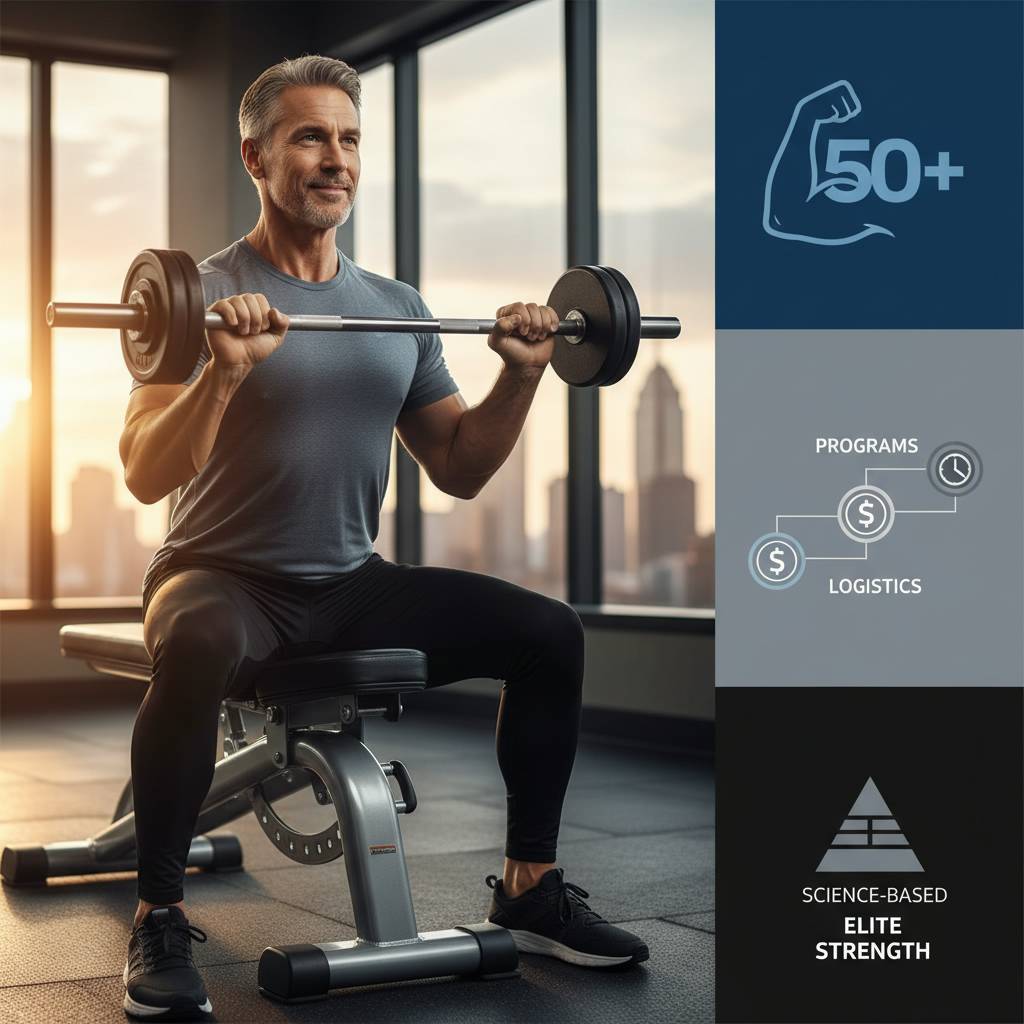 Practical details matter: session length, in-person vs. virtual delivery, frequency, and price all affect adherence. Typical private trainer rates for specialized coaching can range broadly depending on location and qualifications-expect something like $75-$200 per session for one-on-one work in many areas. Group formats may cost less per session but require vetting for individual attention and appropriate progressions.
Beyond price, evaluate program structure: does the trainer provide written programming between sessions, clear warm-ups and cool-downs, and modification options? Is there a plan for long-term progression? Ask how they adapt the plan during travel, illness, or a flare-up of chronic conditions. A well-run program includes contingencies and a strong communication system.
| Service | Typical Price Range | What to Expect |
|---|---|---|
| One-on-one private sessions | $75-$200 | Individualized programming, close supervision, and rapid form correction; best for complex needs. |
| Small group training | $30-$80 | Shared sessions with some individual attention; cost-effective but less tailored. |
| Virtual coaching (structured plan) | $50-$150 | Daily/weekly programming with check-ins; depends on communication frequency and video reviews. |
Also consider logistics like parking, facility cleanliness, equipment diversity, and scheduling flexibility. For men over 50, consistent attendance matters more than intensity; a convenient, welcoming environment often determines whether a plan sticks.
John, age 56, wanted to reduce knee pain, improve balance, and regain the ability to hike multi-mile trails. Using the vetting approach above, he interviewed three trainers and chose one who asked for medical records, performed a movement screen, and proposed a 12-week plan focused on hip strength, quad control, and ankle mobility. The coach also communicated weekly progress summaries to John's physical therapist.
Within eight weeks, John reported less knee pain on descents and improved confidence on uneven ground. The trainer adjusted sets and added tempo work to reduce joint loading while maintaining strength progress. This case highlights how specialization, communication with medical professionals, and a conservative progression model yield reliable, safe results.
Start by creating a shortlist of 35 trainers from reviews, local recommendations, or a trusted referral source like Mature Male Fitness Coach. Schedule short discovery calls using the interview questions above. Use those conversations to evaluate not only technical competence but also communication style and mutual rapport. A trainer can be technically excellent but not a good fit personality-wise-both matter for long-term adherence.
Ask for a trial session or a money-back policy for the first session(s) so you can assess coaching style and exercise selections in practice. During the trial, pay attention to how the coach listens, corrects form, and modifies exercises for comfort and safety. If they prioritize education-explaining why an exercise helps a specific problem-that's an excellent sign of a thoughtful professional.
Finally, consider starting with a short, results-oriented block (612 weeks) that includes objective baseline and follow-up measures. This structure makes it easy to evaluate progress, cost-effectiveness, and compatibility before making a longer commitment. If you'd prefer we do the vetting for you, Mature Male Fitness Coach maintains a referral list of vetted trainers; call our referral line at 14707441483 to request names in your area.

Expect measurable improvements in mobility and energy within 46 weeks with consistent training; strength and functional gains typically show more clearly by 812 weeks. Recovery and joint pain improvements vary with underlying conditions, adherence, and appropriate load management.
If you have cardiovascular disease, recent surgery, uncontrolled hypertension, or other active medical issues, ask the trainer if they require physician clearance. A responsible trainer will request clearance when necessary and coordinate care rather than override medical advice.
Yes-age alone isn't the determinant. Look for demonstrated experience with older clients, an evidence-based approach, and sensitivity to recovery and chronic conditions. A younger coach with strong mentorship and continuing education can be excellent.
If you're ready to take the next step, prepare your medical summary and a short list of goals-functional tasks that matter to you-and schedule discovery calls using the interview questions in this guide. Doing this will save time and reduce the chance of mismatched expectations, helping you find a coach who respects your history and accelerates meaningful progress.
For immediate assistance, referrals to vetted professionals are available through Mature Male Fitness Coach. Our team can match you with trainers experienced in strength, rehabilitation, and long-term functional programming. Call our referral line at 14707441483 to get started.
Choosing a trainer specialized in men over 50 is a decisively practical step toward safer, more effective fitness. Use the questions and red flags here as your selection framework, and don't hesitate to ask for evidence of results, client references, and a trial session. If you prefer a vetted shortlist and help narrowing options, contact Mature Male Fitness Coach at 14707441483 and let us point you toward coaches who deliver results with care.
