Starting a strength program after 50 doesn't require a pricey gym membership, a room full of machines, or complicated meal plans. If you are searching for how to build muscle after 50 on a budget, this guide gives practical, evidence-informed steps that prioritize safety, consistency, and sustainability. Mature Male Fitness Coach believes small investments in time and a few affordable pieces of equipment can produce meaningful improvements in strength, mobility, and confidence.
This page lays out clear program templates you can begin with today, simple nutrition strategies to support muscle gain, and low-cost recovery tools. Whether you prefer training at home or taking advantage of low-cost community gyms, you'll leave with a plan you can implement immediately-and our team is ready to personalize it if you call 14707441483.
As we age, muscle mass and strength naturally decline, but the rate of loss is strongly influenced by activity. Strength training is the single most effective intervention to reverse or slow that decline. Building muscle after 50 improves bone density, metabolic health, balance, and the ability to perform daily tasks independently. Most importantly, it boosts energy and reduces risk of falls and chronic disease.
Many people assume age is a barrier, but the body responds well to appropriate progressive resistance at every decade of life. The key is intelligent programming: selecting exercises that provide high return on investment, scaling intensity conservatively, and prioritizing consistent progression. When you focus on a few compound movements and pair them with adequate protein and recovery, meaningful strength gains are not only possible-they are realistic on a budget.
 Before we jump into programs, adopt a handful of practical principles that keep cost low while maximizing results. First, favor multi-joint movements (squats, deadlifts, presses, rows) that stimulate multiple muscle groups simultaneously. Second, emphasize progressive overload-gradually increasing load, reps, or sets-rather than arbitrary workout variation. Third, make recovery non-negotiable: sleep, daily movement, and rolling or gentle stretching help you sustain consistent training.
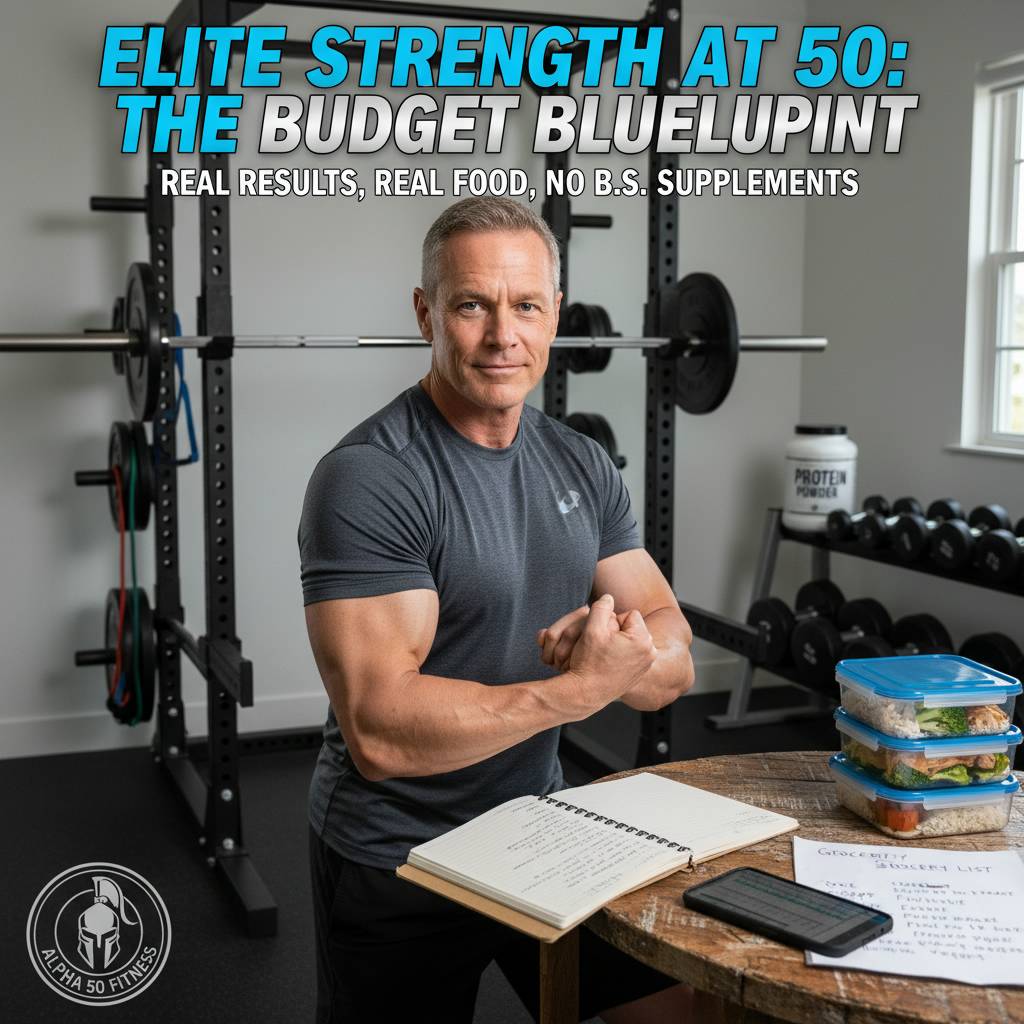
Another cost-saving principle is equipment minimalism. A single pair of adjustable dumbbells, a kettlebell, or a set of resistance bands enables dozens of exercises. You can also use bodyweight and household items (backpack loaded with books, sturdy chair) to add resistance. Finally, consistency beats perfection: three focused sessions per week done for months will produce more muscle than sporadic intensive training followed by long breaks.
Lastly, measure progress with simple markers: weekly increases in reps, improved form, or higher perceived exertion at the same weight. These inexpensive tracking methods keep motivation high and ensure your budget-friendly program is working.
You don't need a fancy home gym. Below are commonly used affordable tools and the realistic price ranges you can expect. These selections let you build a versatile setup capable of supporting progressive resistance exercises for years. When possible, shop used or look for seasonal sales to reduce cost further.
| Item | Use | Typical price range |
|---|---|---|
| Resistance bands (set) | Rows, presses, squats assistance, mobility | $15-$50 |
| Adjustable dumbbells | Presses, rows, lunges, loaded carries | $75-$200 |
| Kettlebell (one or two) | Swings, deadlifts, goblet squats | $25-$120 |
| Pull-up bar or suspension trainer | Vertical pulling, rows, assisted pull-ups | $20-$80 |
| Gym membership (basic) | Access to machines, barbells, classes | $15-$50/month |
Even a single good adjustable dumbbell or a set of bands can cover most movement patterns. If budget forces a single choice, bands provide the broadest exercise variability for the lowest cost. Combine them with bodyweight work and you have a program that scales with you as you grow stronger.
Below are three tried-and-true templates tailored to different experience levels. Each program focuses on simplicity, compound movements, and progressive overload. Aim to train 2-4 sessions per week depending on recovery and schedule. Warm up with 5-10 minutes of light cardio or dynamic mobility and finish with short mobility work.
Start with weights or band tension that make the last 12 reps challenging but doable with good form. Add 1-2 reps per set or slightly increase resistance every 1-2 weeks. Recovery-focused days should include walking and mobility work to support consistency.
Progress via more reps, slightly heavier dumbbells, or reduced band assistance on pulling movements. Micro-progressions-small weekly increases-pile up into large gains over months without adding cost or complexity.
If you can only train twice weekly, emphasize heavier loads and full recovery between sessions. For many over-50 trainees, these two well-executed sessions will produce excellent strength and muscle maintenance/gains when combined with good nutrition and sleep patterns.
 Nutrition doesn't have to be complicated to be effective. To build muscle after 50 on a budget, prioritize sufficient daily protein, modest calorie surplus on training days, and nutrient-rich whole foods that are affordable. Think legumes, eggs, canned tuna, Greek yogurt, oats, potatoes, seasonal vegetables, and inexpensive lean meats when on sale.
A practical daily protein target is roughly 0.6-0.9 grams per pound of body weight (1.3-2.0 g/kg). For many people over 50, aiming for the mid-range-about 0.7-0.8 g/lb-ensures adequate amino acids for muscle repair without the need for expensive supplements. Spread protein across meals: 20-35 grams per meal is a useful rule of thumb.
Budget-friendly tips:
Recovery is where your workouts become gains. For older adults, recovery needs are greater, so prioritize sleep (7-9 hours when possible), daily low-intensity movement (walking), and targeted mobility to preserve joint health. A simple nightly routine of 10 minutes of foam rolling or banded mobility goes a long way in keeping stiffness at bay.
Preventing injury also saves money. Focus on technique, avoid ego lifts, and progress gradually. If a movement causes persistent pain (sharp or joint-focused), regress to a simpler variation or seek professional advice. Regularly include unilateral exercises and balance work; these reduce asymmetries that can lead to injury and also improve functional strength for everyday life.
Trackable metrics are inexpensive and powerful: reps per set, weight used, and subjective recovery scores. Keep a simple training log-paper, phone note, or free app-and record workouts. Revisit your numbers every 4-6 weeks to evaluate progress. If you're not improving on at least one variable every 2-4 weeks, adjust by increasing volume modestly, adding another set, or swapping in a more challenging variation.
Also watch body composition and real-world function: are clothes fitting differently, is stamina improving for daily tasks, are stairs easier? These practical signs matter as much as the numbers. If progress stalls beyond reasonable expectation, re-evaluate nutrition (increase calories and protein slightly) and recovery (add an extra rest day or improve sleep hygiene).
Case example: Joan, 58, began with Template A and used one adjustable dumbbell and a set of bands. She trained three times per week, increased protein with two eggs at breakfast and canned tuna for lunches, and tracked reps. After 12 weeks, she added 8-12 pounds to her goblet squat and reported increased confidence climbing stairs. Her total equipment cost was $90 for adjustable weights and $20 for bands-well within a modest budget.
Common questions:
Use this short checklist to begin building muscle after 50 on a budget immediately. It keeps decisions simple so you can build momentum without analyzing endlessly. Small consistent steps create large changes over time.
Building strength after 50 is not only possible-it's empowering and practical on a modest budget. The combination of targeted, progressive training, affordable equipment choices, and straightforward nutrition will create measurable change without requiring a large financial investment. At Mature Male Fitness Coach, we've helped many adults create durable, low-cost plans that fit real lives and schedules.
If you want a personalized program built around your home setup, medical history, and goals, our team can help design a plan that maximizes results while minimizing cost. Call us at 14707441483 to discuss options and receive a tailored template you can start this week.
Ready to start? Reach out to Mature Male Fitness Coach at 14707441483 for a free consultation to customize one of the templates above to your needs. Small, consistent steps will build real strength-let us guide you through every stage.
